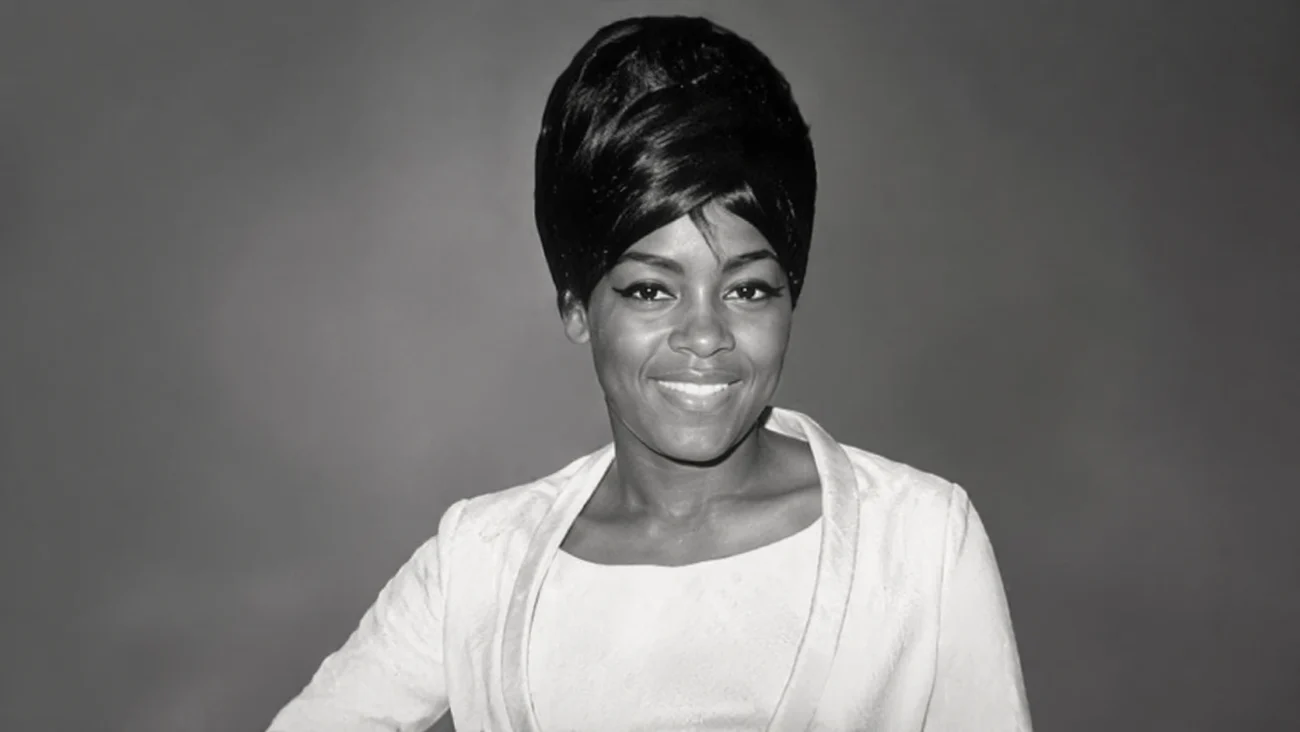
Sonji Roi is often introduced in a single line: the first wife of Muhammad Ali. That label is accurate, but it doesn’t quite explain why her name continues to surface decades later. She entered the public eye at a moment when Ali himself was changing rapidly, stepping into fame, religion, and a new identity that reshaped his life. Their marriage lasted less than two years, but it became part of a much larger story about control, belief, and personal freedom.
What remains striking is how little is firmly documented about Sonji Roi beyond that marriage. Many biographies repeat the same details, sometimes with conflicting dates and unclear sources. That makes her life harder to pin down, but it also makes her story more human. She was not a public figure by design, yet she became part of one of the most talked-about personal chapters in sports history.
Early Life and Background
Sonji Roi was born in the mid-1940s, though sources disagree on the exact year, with some listing 1945 and others 1948. She is generally believed to have been born in the United States, with several records pointing to New York, though these details are not consistently verified across reliable sources. The uncertainty around her early life reflects a broader issue: much of what is written about her comes from later recollections rather than contemporary reporting.
Before her name appeared alongside Muhammad Ali’s, she lived a relatively ordinary life. Accounts often describe her as working in service jobs, including as a waitress, and some sources suggest she had interests in modeling or entertainment. The truth is likely somewhere in between, as many young women in major cities at the time moved between different types of work. What is clear is that she was not part of the boxing world or the political circles that Ali would soon enter.
Her upbringing, family background, and education remain largely undocumented in public records. Unlike many figures tied to major celebrities, she did not leave behind interviews or memoirs that could fill in these gaps. That absence has allowed speculation to grow, but careful reporting requires acknowledging where the record simply runs thin.
Meeting Cassius Clay
Sonji Roi met Cassius Clay, who would soon become Muhammad Ali, in the early 1960s. The meeting is often linked to circles connected with the Nation of Islam, which was becoming increasingly important in Clay’s life at the time. Some accounts suggest that Herbert Muhammad, the son of Nation of Islam leader Elijah Muhammad, played a role in introducing them.
At that point, Clay was already a rising boxing star. He had won an Olympic gold medal in 1960 and was building a reputation for both his skill in the ring and his outspoken personality. Roi, by contrast, came from outside that world, which may have contributed to the early appeal of their relationship.
Their connection developed quickly. Clay was known for his confidence and charisma, and Roi was often described as independent and social. Those qualities made for a strong initial attraction, but they would later become sources of tension. The relationship unfolded just as Clay’s life was about to change in ways that would affect every aspect of his identity.
Marriage in 1964
Sonji Roi and Cassius Clay were married on August 14, 1964, in Gary, Indiana. The timing of the marriage was significant. Earlier that year, Clay had defeated Sonny Liston to become the heavyweight champion of the world. Shortly after, he announced his association with the Nation of Islam and began moving toward adopting the name Muhammad Ali.
Their wedding came at a moment of intense public attention. Clay was no longer just a boxer; he was becoming a political and cultural figure. Roi, as his wife, was suddenly part of that spotlight. The marriage itself was relatively quiet compared to the media frenzy surrounding his career, but it carried symbolic weight.
For a brief period, the couple appeared to embody a certain kind of glamour. They were young, newly married, and connected to a rising star at the height of his fame. But beneath that image, differences were already emerging, particularly around religion and lifestyle.
Life Inside a Changing World
The early months of their marriage coincided with Ali’s deepening commitment to the Nation of Islam. He formally adopted the name Muhammad Ali in 1964, marking a clear break from his past identity. This shift brought new expectations, especially regarding personal conduct, dress, and public behavior.
Roi did not share the same level of commitment to these beliefs. Reports from the time suggest that she resisted some of the expectations placed on her, including changes in dress and lifestyle. These differences became a central point of conflict in the marriage.
The tension was not just personal; it reflected a broader cultural moment. Ali’s transformation was happening in public, and those close to him were often expected to align with his new direction. Roi’s reluctance to conform created friction that was difficult to resolve, especially as outside influences, including members of the Nation of Islam, became more involved.
A Short Marriage and Divorce
By early 1966, the marriage had come to an end. Sonji Roi and Muhammad Ali divorced on January 10, 1966, less than two years after their wedding. The reasons for the split were widely discussed, though not always with the same level of accuracy.
The most commonly cited cause was the conflict over religious expectations. Ali, under the influence of the Nation of Islam, reportedly wanted his wife to follow stricter rules, including modest dress and a more reserved public presence. Roi’s refusal to fully adopt these changes became a breaking point.
The divorce was relatively quick and did not involve the prolonged public disputes that often accompany celebrity separations today. Still, it marked a turning point for both individuals. Ali would go on to remarry and continue his rise as a global figure, while Roi stepped away from the spotlight.
Life After Muhammad Ali
After her divorce from Ali, Sonji Roi largely disappeared from public view. This period of her life is the least documented, and much of what is written comes from scattered records rather than detailed accounts. She did not pursue a public career tied to her brief fame, nor did she remain a visible figure in media coverage.
At some point after the divorce, she is believed to have remarried, taking the name Sonji Roi Glover. Information about this relationship is limited, but it suggests that she moved into a more private phase of life. Unlike many individuals connected to major celebrities, she did not capitalize on her association with Ali through interviews or public appearances.
Her decision to remain out of the spotlight has contributed to the gaps in her biography. While Ali’s life has been documented in books, films, and interviews, Roi’s story has remained largely in the background. That contrast highlights how quickly public attention can shift away from those who are not actively seeking it.
Death and Later Recognition
Sonji Roi died on October 11, 2005, in Chicago, Illinois. She was in her late fifties, though the exact age depends on which birth year is used. Reports generally describe her death as resulting from natural causes, though detailed public records are limited.
Her passing did not receive widespread media coverage at the time. This was consistent with the way she had lived her later years, largely outside the public eye. It also reflected the fact that her connection to Ali, while historically interesting, had been brief and decades in the past.
In the years since her death, interest in her life has grown slightly, often tied to renewed attention on Muhammad Ali’s legacy. Documentaries, biographies, and retrospectives on Ali’s life sometimes revisit his early relationships, bringing Roi’s name back into public conversation. Even then, the information tends to repeat the same limited set of details.
The Challenge of Telling Her Story
One of the most striking aspects of Sonji Roi’s biography is how often the same claims are repeated without clear sourcing. Different websites list different birth years, variations of her name, and conflicting details about her early life. This creates a challenge for anyone trying to build a clear and accurate picture of who she was.
The truth is that Sonji Roi’s life does not fit neatly into the typical structure of a celebrity biography. She did not leave behind extensive public records, and she did not spend years in the spotlight. Her story is instead defined by a short period of intense visibility followed by a long stretch of privacy.
That said, her role in Muhammad Ali’s life remains historically relevant. Their marriage took place at a moment when Ali was redefining himself, both personally and publicly. Roi’s presence during that period offers insight into the pressures and expectations surrounding that transformation.
Why Sonji Roi Still Matters
Sonji Roi’s story continues to draw attention because it intersects with a larger narrative. Muhammad Ali’s life has been studied from many angles, including his boxing career, his political views, and his religious journey. His early marriage is part of that story, and Roi’s experiences provide a glimpse into how those changes affected the people closest to him.
There is also a broader cultural element at play. The 1960s were a time of significant social change in the United States, and Ali was one of the most visible figures of that era. His personal choices, including his relationships, were often viewed through a wider lens of race, religion, and identity.
Roi’s refusal to fully align with the expectations placed on her can be seen as a form of independence. While she did not publicly frame it in those terms, her actions suggest a willingness to maintain her own sense of self, even in the face of pressure. That aspect of her story resonates in a way that goes beyond the specifics of her marriage.
Frequently Asked Questions
Who was Sonji Roi?
Sonji Roi was the first wife of Muhammad Ali, whom she married in 1964 when he was still widely known as Cassius Clay. She became part of the public conversation during a key period in his life, as he rose to fame and embraced the Nation of Islam. Beyond that marriage, details about her life remain limited and sometimes inconsistent across sources. She is remembered primarily for her brief but significant connection to Ali’s early career.
When did Sonji Roi and Muhammad Ali get married?
They were married on August 14, 1964, in Gary, Indiana. The wedding took place shortly after Ali won the heavyweight championship and began publicly aligning himself with the Nation of Islam. The timing added to the public interest surrounding their relationship. Their marriage lasted less than two years before ending in divorce.
Why did Sonji Roi and Muhammad Ali divorce?
The divorce is generally attributed to differences over religion and lifestyle. Ali’s growing commitment to the Nation of Islam came with expectations that his wife would follow certain practices, including changes in dress and behavior. Roi reportedly resisted these expectations, which led to tension in the marriage. The relationship ultimately ended in early 1966.
What happened to Sonji Roi after the divorce?
After her divorce from Ali, Sonji Roi stepped away from public life. She is believed to have remarried and lived under the name Sonji Roi Glover. There are few detailed records of her activities during this period, as she did not maintain a public profile. Her later life remains one of the least documented parts of her story.
When did Sonji Roi die?
Sonji Roi died on October 11, 2005, in Chicago, Illinois. She was in her late fifties at the time, though the exact age varies depending on the reported birth year. Her death did not receive widespread media attention. In later years, her name has reappeared in connection with renewed interest in Muhammad Ali’s life and legacy.
Conclusion
Sonji Roi’s life is defined as much by what is unknown as by what is recorded. She entered public view at a moment when Muhammad Ali was becoming a global figure, and for a short time, she stood beside him during a period of intense change. Their marriage, though brief, captured a clash of expectations that reflected a larger cultural moment.
After the divorce, she chose a different path, one that led away from attention rather than toward it. That decision has left historians and readers with a limited set of facts, but it also speaks to a desire for privacy that is often overlooked in stories tied to fame. Not everyone connected to a public figure wants to remain in that orbit.
Her story still holds value, even in its incomplete form. It offers a glimpse into the personal side of a man whose life has been examined in great detail, while also reminding readers that those who appear briefly in the spotlight can have complex and independent lives of their own. That tension between visibility and absence is what keeps her name in circulation.
Looking ahead, Sonji Roi’s biography is unlikely to change dramatically unless new records or firsthand accounts emerge. What can change, though, is how her story is told. With careful attention to facts and an honest acknowledgment of what remains uncertain, her life can be understood with more clarity and respect than the brief summaries that often define it.
